Asynchronous Engineering: Killing Meeting Fatigue in 2024
Learn how high-performance engineering teams are adopting async workflows to double Deep Work and eliminate unnecessary meetings in remote setups.
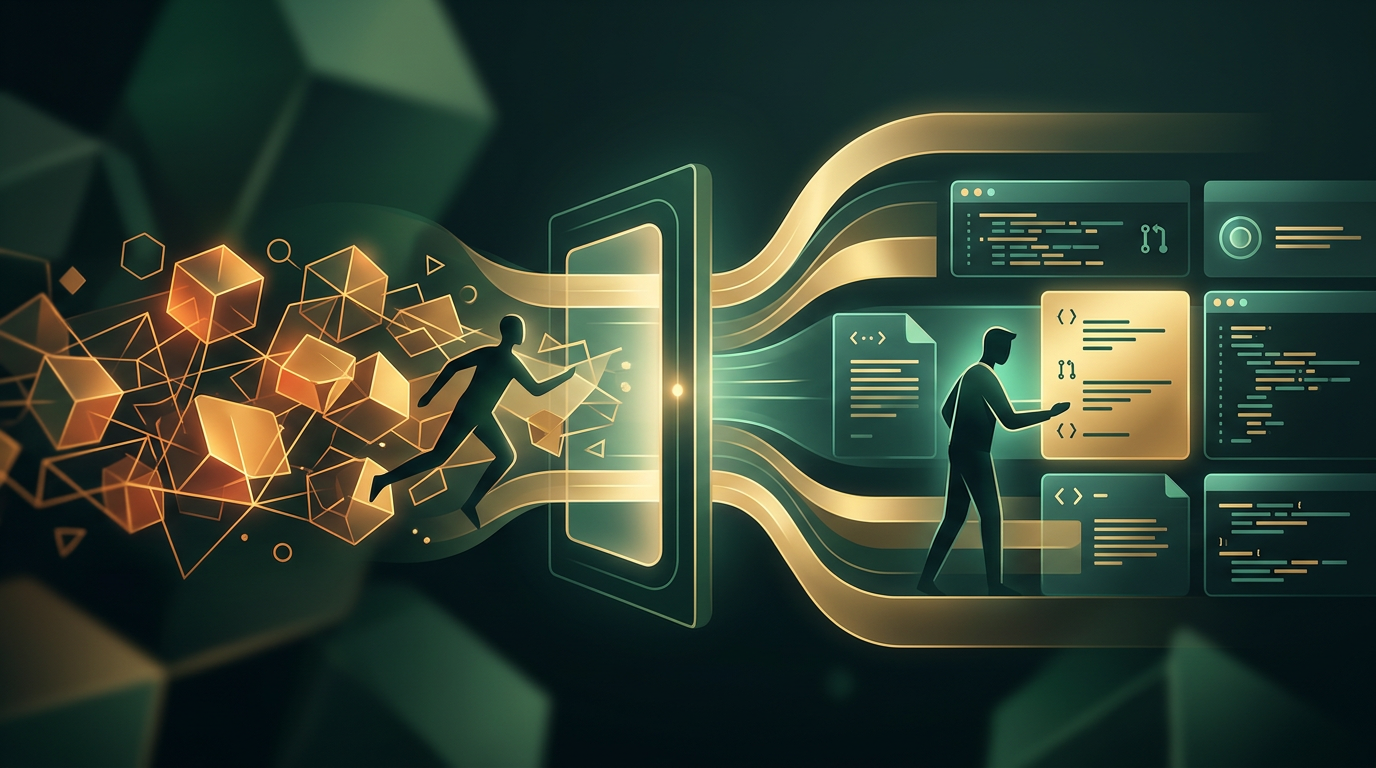
Most engineering teams are trapped in an infinite loop of 'quick calls' that, ironically, prevent a single line of productive code from being written. The myth that collaboration requires simultaneous presence is destroying the focus of the most talented developers. In tech hubs like Medellín and across the globe, the teams that truly scale aren't the ones spending the most time on Zoom, but those who have mastered the art of productive silence.
The Hidden Cost of 'Sync-First'
When a developer is interrupted by a Slack notification for an unplanned meeting, it takes an average of 23 minutes to regain their flow state. Multiply that by four daily interruptions, and you've lost nearly two hours of Deep Work. A 'Sync-First' approach treats communication as a constant emergency, creating bottlenecks where decisions depend on the availability of the Tech Lead or Product Manager's calendar.
Moving toward an asynchronous culture isn't about working alone; it's about decoupling communication from execution time. This allows an engineer in Bogota and an architect in San Francisco to operate friction-lessly, regardless of time zones or workday preferences.
Why Traditional Agile Fails in Remote Setups
- Daily Standups turn into monotonous status reports instead of blocker resolution.
- Excessive ceremonies fragment the calendar, leaving only 30-45 minute blocks between meetings.
- Documentation becomes non-existent because 'it was discussed on the call.'
"Code is asynchronous by nature; the distributed systems we build don't wait for all nodes to respond at the same time to be efficient. Our work culture should mimic that architecture."
Tools for Time Sovereignty
You can't go async on willpower alone; you need protocols and tools that replace urgency with context. High-performing teams are replacing 30-minute calls with:
- Loom or CleanShot X: For UI demos or complex logic explanations that the receiver can watch at 1.5x speed during their own window.
- Notion or Linear: Centralizing ticket context so no one has to ask 'what's the status?'.
- RFCs (Request for Comments): Technical docs in GitHub or Google Docs where architecture is debated before code is written, allowing for thoughtful feedback instead of shallow live discussions.
Designing 'Flow State' for the Team
To implement this, clear rules of engagement must be set. A practical example is the 'Rich Context' rule. Before sending a Slack message like "Got a minute?", the sender must write the full problem, what they've tried, and link to the relevant code. This allows the receiver to respond with a definitive solution instead of starting a back-and-forth ping-pong.
- Define minimal core hours (e.g., 2 hours a day for necessary synchronization).
- Establish the 'Right to Disconnect' notifications outside of specific blocks.
- Transform the Daily into a written thread, reserving video only for critical blockers.
How we approach it at Julsmind SAS
At Julsmind SAS, we understand that talent in Medellín and across LATAM shines when given room to think. Our engineering culture prioritizes exhaustive documentation and the use of asynchronous management tools. We don't hire code typists; we hire problem solvers who value their focus time. By reducing meeting overhead, we achieve shorter development cycles and higher delivery quality, embedding a product mindset into every commit without breaking our engineers' creative flow.
Do you feel your team is spending more energy coordinating than building? Transitioning to an asynchronous model doesn't happen overnight, but it is the necessary step to scale without burning out your talent. Let's discuss how to optimize your engineering processes and product culture at our contact page.